

Cricket is a game that has precision, expertise, and a ball. There are many features of the cricket game, among which the weight of the ball is very vital. The weights of the balls vary according to the format of the game, as well as the category involved. Knowing all these specifications help players, as well as spectators and manufacturers alike, in order to maintain integrity in the game.
Standard Cricket Ball Weight
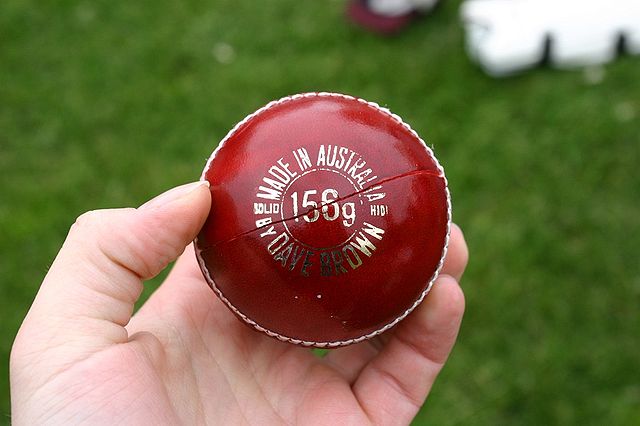
The weight of a cricket ball is determined by the regulations set by governing bodies like the International Cricket Council (ICC) and national cricket boards. The official weight varies based on the type of cricket being played:
- Men’s Cricket Ball: 155.9 to 163 grams
- Women’s Cricket Ball: 140 to 151 grams
- Junior Cricket Ball (Under-13): 133 to 144 grams
These weight variations ensure that players of all ages and categories use a ball that suits their strength and playing capabilities.
Why is the weight of a cricket ball important?
The weight of a cricket ball has direct implications for the game as follows:
Bowling Performance:
- A heavier ball, used in men’s cricket, bounces and moves through the air.
- A light ball, which is used in women’s and junior cricket, is manageable and swings nicely; hence it is ideal for most playing levels.
Batting Skill
- Players vary the timing and strength of the shot based on the ball’s weight
- Lighter balls are easier to hit long distances. Lighter balls are easier to play strokes from
- Fielding and catching
- The weight influences the judgment that the fielder makes before catching the ball in the air.
- A balanced weight will make sure that players can take catches without straining themselves too much.
Types of Cricket Balls and Their Weight Differences

Red Ball:
Test cricket and first-class matches.
Weighs between 155.9 to 163 grams for men’s cricket.
White Ball:
Limited-overs formats such as ODIs and T20s.
The texture is slightly different, but the weight is the same as the red ball.
Pink Ball:
Used for day-night Test matches.
Comparable weight but coated with additional lacquer for hardness when using artificial lights.
Conclusion
The weight of the cricket ball is an important attribute in maintaining the competitive spirit and affecting the gamut of components of the game. Whether it is bowling or batting or fielding, every cricketer needs to adjust the weight of the ball when he is at his best. Even in world cricket and other regional games, maintaining a uniform weight is must for fairness in the game.
About the Author


