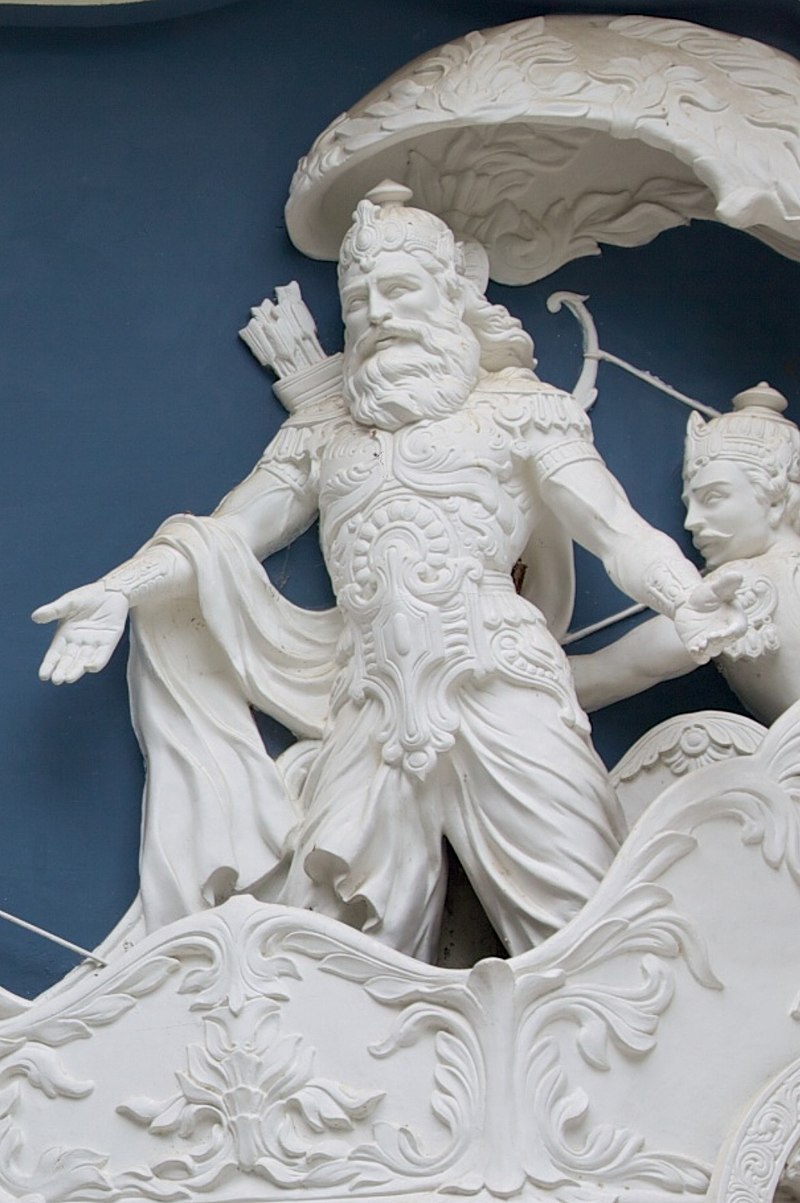
Bhishma Pitamah, one of the central characters in the Indian epic Mahabharata, is a revered figure known for his unwavering commitment to duty, unparalleled martial prowess, and profound wisdom. Here are ten fascinating facts about this legendary figure:
1. Origin of Bhishma:
Bhishma was born as Devavrata, the son of King Shantanu and Ganga. His birth was extraordinary, with Ganga leaving Shantanu after each childbirth. Devavrata took a vow of celibacy (Bhishma Pratigya) to ensure his father’s happiness.

2. Immortality Wish:
During his youth, Bhishma was granted the boon of choosing the time of his death (Iccha Mrityu) by his father. This made him virtually immortal, as he could not be killed unless he willingly chose to die.
3. Unmatched Warrior:
Bhishma was a formidable warrior with unmatched skills in archery and combat. His prowess was acknowledged by even the gods, making him a key asset in the Kuru dynasty.
4. Chief Commander:
Bhishma served as the Chief Commander (Senapati) of the Kuru army for most of the Kurukshetra War. Despite his loyalty to Hastinapura, he found himself fighting against his own grandnephews, the Pandavas.
5. Teacher of Kauravas and Pandavas:
Bhishma played a crucial role in the education of both Kauravas and Pandavas. His training laid the foundation for the martial skills of the royal cousins, making them formidable warriors.
6. Devotion to Hastinapura:
Bhishma’s unwavering devotion to the throne of Hastinapura led him to make several personal sacrifices. His decision to remain celibate and forgo the throne himself showcased his commitment to the Kuru dynasty.
7. Boon of Choosing Death:
Bhishma’s boon of Iccha Mrityu became a significant factor in the Kurukshetra War. While he fought valiantly for the Kauravas, his reluctance to cause harm to the Pandavas created a moral dilemma.
8. Vow of Celibacy:
Bhishma’s vow of celibacy not only reflected his commitment to his father’s happiness but also earned him the name Bhishma, meaning ‘terrible’ or ‘formidable.’ His celibacy became a symbol of sacrifice.
9. Adviser and Statesman:
Bhishma was not only a warrior but also a wise statesman. His counsel was sought on matters of governance and strategy, and his decisions were respected for their fairness and integrity.
10. The Longest-Living Character:
Bhishma holds the distinction of being one of the longest-living characters in Hindu mythology. He lived for more than 100 years, witnessing generations come and go, and played a pivotal role in shaping the destiny of Hastinapura.Bhishma Pitamah’s life is a tapestry of duty, sacrifice, and unyielding loyalty. His character in the Mahabharata continues to inspire generations, serving as a symbol of selflessness and unwavering commitment to principles.



Leave a Reply