Phalke’s journey was immortalized in the 2009 Marathi comedy-drama, “Harishchandrachi Factory,” which played a pivotal role in reshaping the perception of Marathi cinema in India, if not globally. Prior to the meticulously recreated historical sets in Paresh Mokashi’s directorial venture, Marathi cinema was arguably facing decline.
Throughout the early 21st century and the subsequent decade, Marathi cinema struggled with hastily written scripts and rushed production processes. Additionally, financial constraints compounded the challenges, along with the emergence of cheap, often crass rural comedies that permeated mainstream Marathi cinema.
1. Shyamchi Aai (1953):

Directed by Acharya Atre and based on Sane Guruji’s book, this film beautifully portrays the mother-son relationship, emphasizing the profound role of a mother in a child’s upbringing. Atre’s simplicity in storytelling makes this heartfelt tale a timeless experience.
2. Jait re Jait (1977):

A personal favorite, this film directed by Jabbar Patel revolves around a tale of revenge, where a Thakar seeks vengeance on a beehive for injuring his eye. However, in his pursuit, the protagonist Nagya loses his wife, portrayed by the remarkable Smita Patil. “Jait re Jait,” meaning win-win, offers a multi-layered narrative and a musical treat.
3. Dhum Dhadaka (1988):

This classic comedy directed by Mahesh Kothare, starring him alongside the iconic duo Laxmikant Berde and Ashok Saraf, is a riot of errors, terrors, and trickery. The film’s unforgettable moments, like Lakshya’s horror movie narration to his terrified father or the exhilarating car chase, ensure its timeless appeal.
4. Kalat Nakalat (1989):

Addressing the taboo subject of extramarital affairs, this film portrays a family’s disintegration following the husband’s affair with a widow. Despite the typical cinematic reconciliation, the movie offers poignant insights into relationship breakdowns and the concept of family.
5. Ek Hota Vidushak (1992):

Directed by Jabbar Patel and featuring Laxmikant Berde and Dilip Prabhavalkar, among others, this film delves into the world of relationships overshadowed by the glamour of the film industry. With dialogues by P.L. Deshpande, it provides a heartfelt narrative intertwined with the lives of tamasha dancers in rural Maharashtra.
6. Bangarwadi (1995):

Adapted from Vyankatesh Madgulkar’s novel, this National Award-winning film offers a subtle exploration of social and political issues in rural Maharashtra. The story follows a teacher’s struggle to impart education amidst drought, culminating in poignant scenes of students departing one by one.
7. Saatchya Aat Gharat (2004):

This film gained popularity upon its release, though its depiction of a rape scene warranted caution. It critiques emerging youth culture and societal perceptions of women, particularly rape victims, in a globalized India.
8. Shwaas (2004):

A deeply touching film, “Shwaas” narrates the heart-wrenching story of a grandfather facing agony upon learning that his grandson needs a life-saving operation that will render him blind. Their poignant journey through the city before the operation leaves a lasting impact.
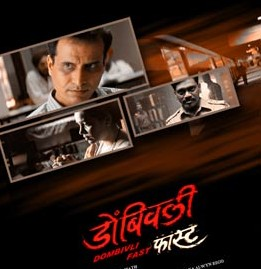
9. Dombivli Fast (2005):

This gripping drama follows a common middle-class Mumbai citizen’s quest to combat corruption within the system. Noteworthy is the protagonist’s powerful exchange with a beggar, reflecting his frustration and determination for change.
10. Zenda (2009):

Centered on the split within the Shiv Sena, “Zenda” offers a sharp political drama portraying the impact on grassroots workers. Despite clichés, the film underscores the dirty reality of politics, urging viewers to brace for the mudslinging.



Leave a Reply