

Making aloe vera soap at home is a great way of introducing the benefits of a natural ingredient into your skincare routine. Aloe vera is well-known for its refreshing and soothing properties, and its clear gel can easily be added to cold-processed soap. The great thing is that you can make your own gel by using a fresh aloe leaf instead of buying it.
This recipe makes a gentle soap that can be used on both face and body. In the recipe you will also find interesting optional ingredients that you may wish to adapt to your availability of oils and components.
Making Aloe Vera Gel
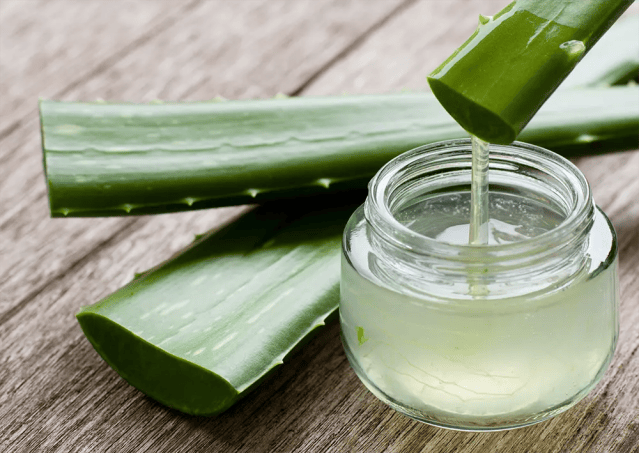
Before you are ready to make the soap, it is necessary to extract the clear inner gel from the plant. First, you should wash your aloe leaf carefully so it is clean, then cut it into smaller pieces to make it easier to handle. Finally, use a sharp knife to take off the green skin to get to the gel.
Transfer the gel to a blender or small food processor and blend until it becomes smooth and slightly foamy. Use it promptly, refrigerate it for a short period, or freeze it in small portions if you want to save it for later. Always use clean equipment and discard gel that develops an unusual smell, colour, or appearance.
Ingredients for Gentle Aloe Vera Soap
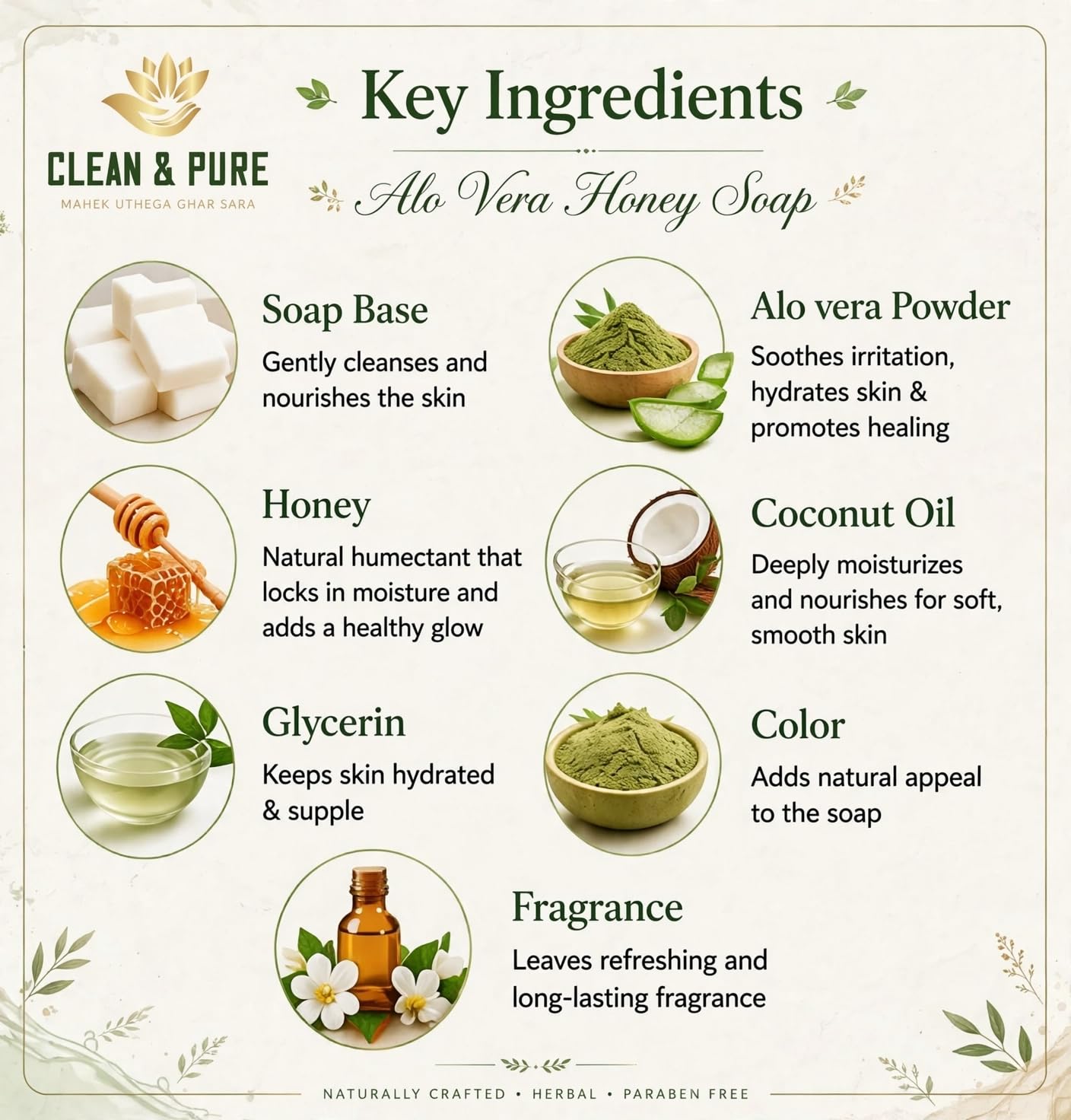
This small batch is designed to fill approximately five cavities of a suitable oval silicone soap mould.
71 g distilled water
55 g sodium hydroxide (lye), as specified in the original formula
57 g fresh aloe vera gel
170 g olive oil
85 g coconut oil
57 g sunflower oil
57 g tallow, or a suitable butter such as shea, mango or cocoa
28 g castor oil
Optional additions:
½ teaspoon chlorella powder and 1 teaspoon French green clay for a natural green shade
½ teaspoon sodium lactate to help produce a firmer bar
Rosemary oleoresin extract (ROE), used at the supplier’s recommended rate, as an antioxidant for the oils
Sunflower oil can be replaced with sweet almond or apricot kernel oil. Tallow can be exchanged for a suitable plant butter, but remember that changing oils or fats affects the lye requirement. Babassu oil may be considered instead of coconut oil, although the sodium hydroxide quantity must be recalculated.
Important: Do not assume the listed lye amount is suitable for every substitution. Before making the batch, verify the entire formula in a reliable soap calculator, including the intended superfat level. Sodium hydroxide is highly caustic, so wear protective gloves and goggles and work in a well-ventilated area.
Step-by-Step Aloe Vera Soap Making

Weigh the distilled water into a suitable stainless-steel or lye-safe plastic container.
Carefully weigh the sodium hydroxide separately. Slowly add the lye to the water while stirring; never pour water onto dry lye.
If desired, mix in the clay and chlorella powder, then leave the solution in a secure place to cool.
Melt the coconut oil and tallow or chosen butter. Combine them with the remaining liquid oils.
Add the ROE if using, following the recommended quantity.
Blend the prepared aloe gel into the oils until evenly distributed.
Once the lye solution and oils have reached suitable, compatible temperatures, slowly combine them.
Use an immersion blender in short bursts, alternating with hand stirring, until the mixture reaches a light trace.
Pour the batter into clean silicone moulds and gently cover.
Leave the soap undisturbed for around 24–48 hours, or until it is firm enough to unmould.
Arrange the bars with space between them in a cool, dry, well-ventilated area and allow them to cure for at least four to six weeks.
Helpful Tips for Better Results
Aloe gel contains natural water, so its freshness and handling matter. Keep your tools clean and avoid introducing contaminated gel into the batch. Also, don’t expect the finished soap to retain all the properties of fresh aloe; the soapmaking process changes the original ingredients.
Patience is important during curing. Properly cured bars generally become harder and last longer in use. Store them somewhere dry between uses, ideally on a draining soap dish.
Homemade aloe vera soap is a rewarding project, especially if you enjoy experimenting with natural colours and different oils. With careful preparation, accurate measurements and safe handling, you can create attractive handmade bars for your everyday bathing routine.
About the Author


