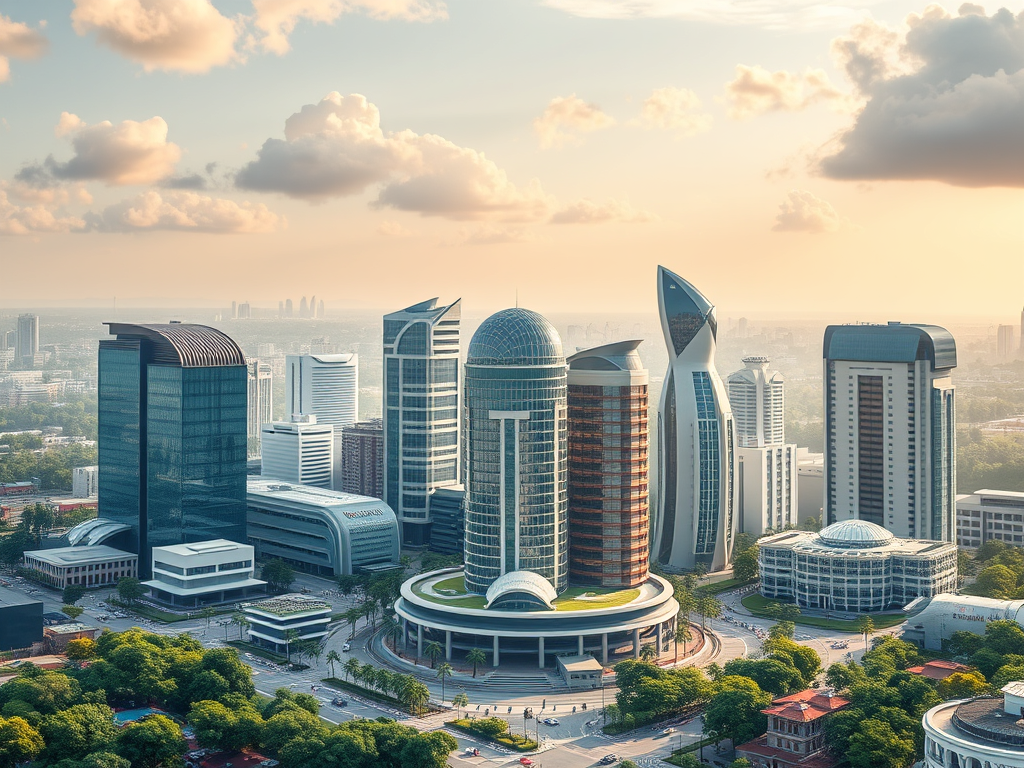


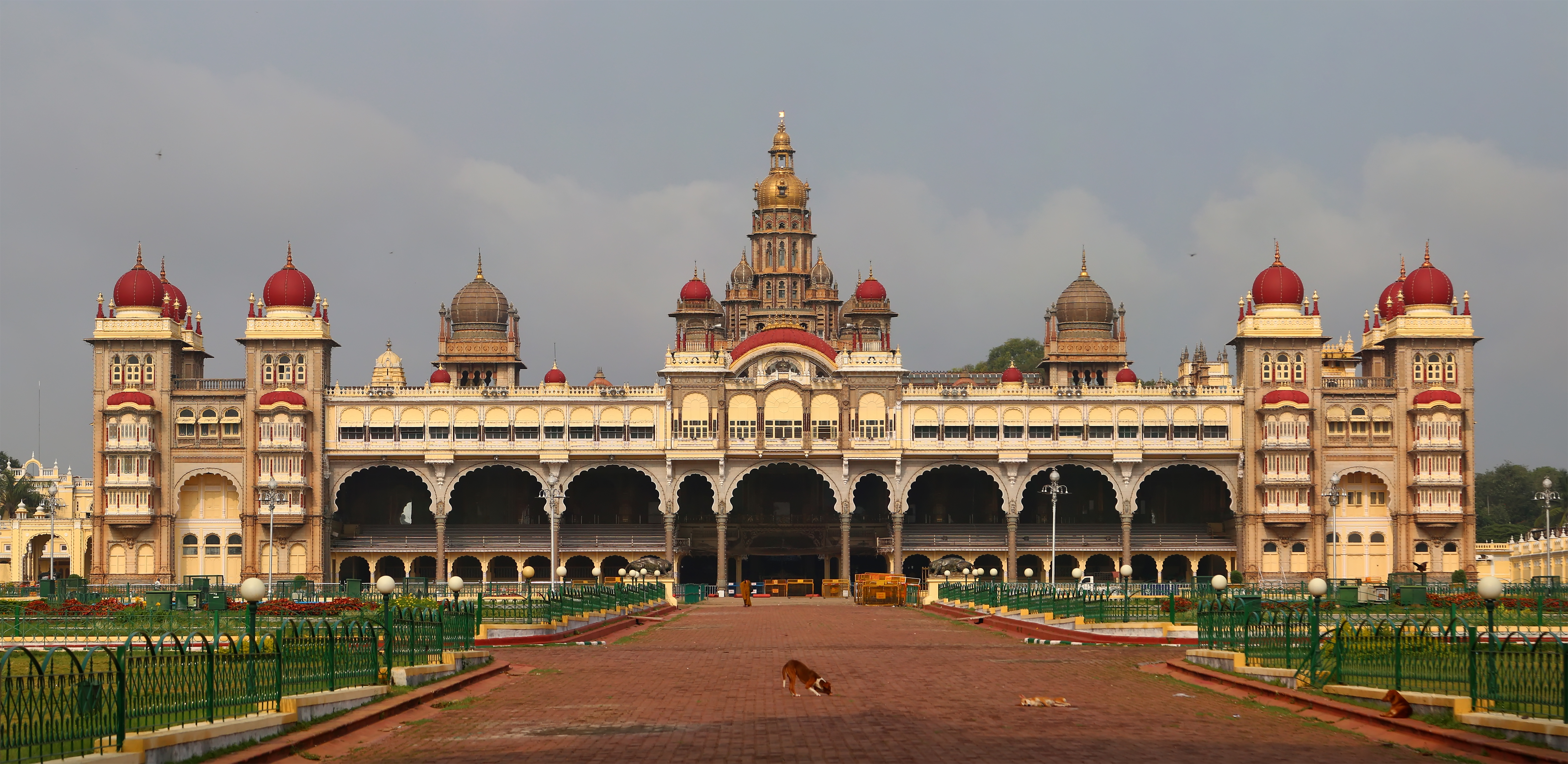
As the process of urbanisation speeds up around the world, the role of architects and urban planners grows in importance to that of achieving a fine line between concrete development and the natural world. In India, we see which cities have set the bar high with what they have put in place of sustainable practices, renewable energy, and large-scale green space into the heart of the city. For architects in 2025, it is of great importance that they study these models of what we may call green urbanism, which will, in turn, inform the development of the future.
- Mysore: The Sanitation Model and Plan.
Mysore is known to be the cleanest and greenest of India’s cities. Out of the third largest in the state of Karnataka, it has done well to preserve its cultural heritage at the same time as maintaining very good levels of sanitation. Also a favourite of the Swachh Bharat Urban mission, Mysore is known for its urban planning. From this city, architects may learn of its success in the balance between high density and preserved public spaces, as well as in the implementation of efficient waste management systems that make it a leader in liveable urban design.
- Chandigarh: Legacy of Le Corbusier.
As an early planned city in India, Chandigarh is a textbook example of urban design. Situated at the foothills of the Shivalik Himalayas, the joint capital of Punjab and Haryana, which is also home to a very large forest and tree cover of about 35.5% of the total area. The city’s strict zoning, in addition to conservation of green spaces, shows how modern infrastructure may at the same time exist in harmony with nature, a view put forth by Le Corbusier, which is still very much in practice today.
- Bangalore: The Sustainability Turn of the Garden City.

Bengaluru, which is also known as the “Garden City”, is at the centre of India’s IT renaissance. Although it has grown very quickly, the city has also been very much into green certification. It has put up hundreds of IGBC-certified green buildings and has millions of square meters of certified green space. For architects, Bangalore is a study in how to put sustainability into a booming metropolis, which they do via climate-responsive architecture and by preserving its historic parks and lakes.
- New Delhi: A Green Metropolis.
While a media mainstay for air quality issues, what is also true is that New Delhi is a surprise in terms of green space for a capital city. In the Lutyens’ area, Delhi is a veritable park of native trees like Jamun and Amaltas. The city’s shift to CNG for public transport and large-scale planting, which covers 20% of the city area, is a study in how policy and infrastructure improvements can turn around environmental issues in metropolises.
- Dehradun: Himalayan Homeaway.
In the Himalayan range, Dehradun presents an ideal example that it’s possible to preserve the cleanliness of a city. A city that is also known for very high rainfall and for its premier institutes like the Indian Military Academy, Dehradun, grows in a way that it includes the green mountain landscape. Also, a model of hill architecture that is very much in balance with the local ecology and terrain.
- Bhopal: Reappropriating Green Heritage.
Recovering from a past of tragedy, Bhopal has turned into a model for environmental restoration. The city has done an excellent job at conserving its natural resources while also developing into a commercial centre. Via strict enforcement of environmental policies and a well-informed community, Bhopal puts forth an example that industrial cities may look to in order to turn towards sustainability and to bring back their ecological health.
- Diu: Renewable Energy Leader.
Diu has broken the record for the rest of the world to see by becoming the first city in India to run on 100% renewable energy during the day. With a 9-MW solar park and solar panels that also grace government buildings, this smart city is living proof of what energy independence looks like. For architects, Diu is the model of what is to come in energy-efficient city design, which has renewable energy as a base element in its structure.
- Gandhinagar: The Environmental Capital.
Gandhinagar, capital of Gujarat, is a city that claims to be the best planned in the country. Situated by the Sabarmati River, it has an impressive tree-to-person ratio of 22 trees per person. Also, the city’s layout is that of wide tree-lined avenues and set aside green zones, which in turn guarantees that as the city grows outwards, the trees do not.

- Jamshedpur: Industrial Haven.
Jamshedpur defies the trend that industrial areas are not also green spaces. To the home of Tata Steel, we see that 33% of the city is covered in green, which mostly consists of deciduous forests. Also, in the case of the famous Jubilee Park and continuous tree planting initiatives, we see that large-scale industry and, at the same time, great town planning go hand in hand to present a healthy living environment in the heart of heavy industry.
- Shimla: Queen of Mountains.
Shimla, which is known for its colonial architecture and pine-covered slopes, is a gem in the crown of Northern India. In terms of growth and development, which put pressure on the city, the city has implemented “Green Growth” strategies, which also include the use of Information and Communication Technology (ICT) for resource management. For architects, Shimla presents a case study of how heritage conservation goes hand in hand with modern green technology, thus protecting hill stations.
Conclusion
These in a diverse set of solutions which present themselves to the modern architect, from the integration of renewable energy in Diu to the heritage. As we head into 2025, these urban centres are becoming living labs, which prove that with the right vision, our cities can transform to be at once developed and very much at one with nature.