

Streaming on Sony LIV, Freedom at Midnight, directed by Nikkhil Advani and based on the 1975 book of the same name, takes a distinctive and layered approach to the history of India’s independence and the subsequent Partition. Unlike conventional narratives that celebrate 1947 as a moment of triumph, this seven-episode series examines the messiness of freedom — a time filled with disillusionment, compromise, and uncertainty.
A Fresh Perspective on a Familiar Event
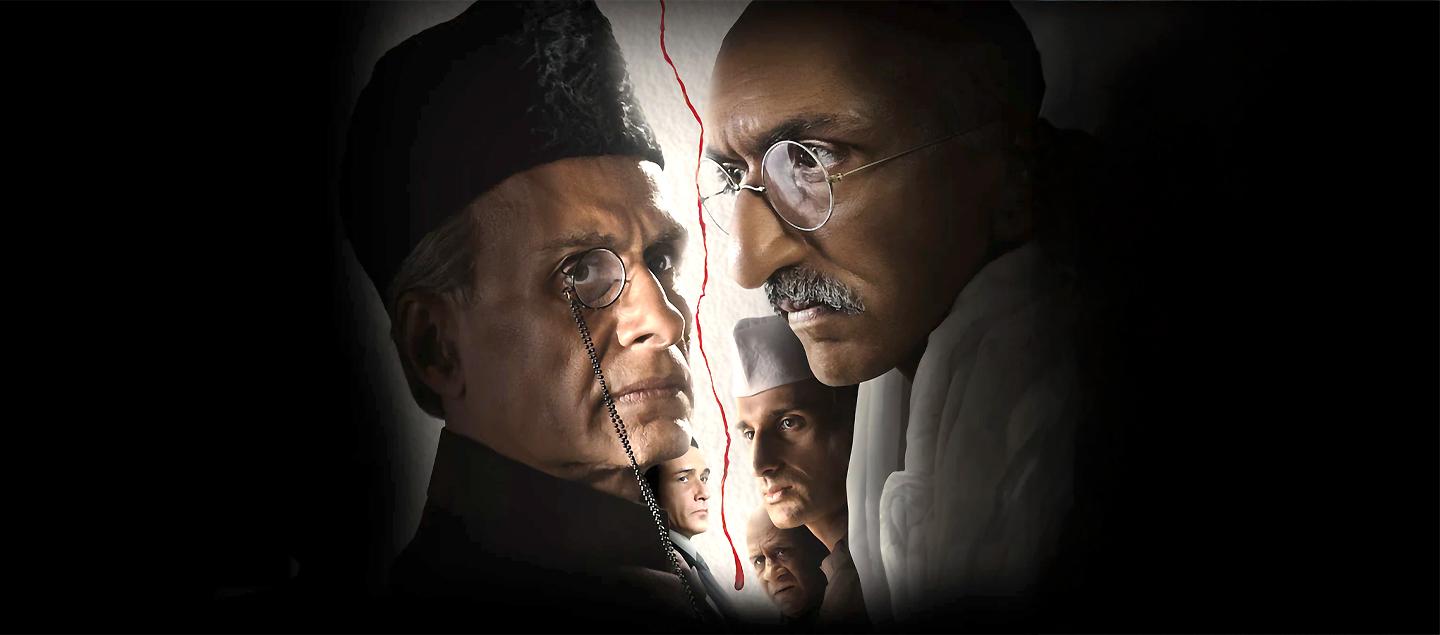
We often grow up believing India’s independence was a straightforward victory over colonial rule. As adults, we begin to see the complexities — how freedom came with division, trauma, and the weight of nation-building. Freedom at Midnight leans into these nuances. It doesn’t focus on the glory of revolutionaries, but rather the difficult aftermath where leaders like Gandhi, Nehru, Patel, and Jinnah grapple with the realities of power and identity. The show captures the chaos and emotional fatigue of a country caught between hope and horror.
A Political Drama with Style

Centered on political negotiations and ideological conflicts, Freedom at Midnight unfolds primarily indoors — within offices, halls, and chambers. Unlike more dynamic historical shows like Rocket Boys or The Crown, this series depends heavily on intense conversations, debates, and decisions. To maintain tension, the creators employ all kinds of stylistic devices: the constant ticking underlays scenes to build drama, metaphors-the sinking biscuit-for the broken nation, and swelling scores for climaxes.
This theatricality may be thought of as over the top, but here, it actually works in favor of the show. The show embraces its melodrama and does not shrink away from a slightly cartoonish portrayal of the historical personalities: Sidhant Gupta as Nehru has a contemporary charm; Chirag Vohra’s Gandhi and Rajendra Chawla’s Patel are much more believable; the latter especially shines in his portrayal of sterile yet sincere leadership of Patel.
Visuals and Symbolism

The opening credits mix Indian and Western elements in a very innovative way to show the cultural collision and fusion. Blood-grimed maps and fading headlines from newspapers speak of the urgency and tragedy of the period. Even the symbolic scenes-Nehru and Patel getting lost inside the Viceroy’s mansion-comment deeply on the confusion of a nation moving into leadership.
Flaws and Ambiguities

The depiction of Jinnah (Arif Zakaria) remains one of the show’s few weaknesses. He often serves the purpose of a one-dimensional villain, thus undermining the show’s attempt to inject complexity into the historical treatment. Another limp side is the depiction of communal violence, with the show standing mostly on one side of the dichotomy and thereby simplifying the tragedy. To add insult to injury, the repetitive closing shots to episodes, always suggesting that Partition was inevitable, dilute whatever emotional impact it does have.
An Unequivocally Rare Perspective
What kept Freedom at Midnight apart was its political stance. Unlike many recent historical dramas addressing Congress leadership with contempt, this show portrays its leaders as faulted, but human—people torn by impossible decisions instead of being selfishly motivated. Luck gave descriptive treatments of Gandhi’s emotional blackmail, Nehru’s idealism, and Patel’s pragmatism without scorn. The show neither glorifies nor demonizes them.
In a smart finale, the series interweaves past tensions with present-day dilemmas, portraying how roots of modern conflict have been sown within decisions made almost under duress or with incomplete foresight less than urgency. Freedom at Midnight ultimately reframes a well-known moment in Indian history, not just as a tale of liberation, but as a sobering reminder that freedom often comes at a heavy cost — one still unfolding today.
About the Author


